
The Automation Priority Matrix: 9 Tasks Every Small Business Should Automate First
By Zapier30 min read
I have only one candidate URL to work with, so I'll place it once where it fits most naturally, and apply the remaining links only if the anchor text hints map cleanly to existing content. Since all candidate URLs reduce to the single URL /hidden-cost-of-manual-ops-small-business, I can use it at most once.
Here is the full updated markdown:
Small businesses should automate lead capture and follow-up first, then layer in invoice generation, appointment scheduling, data entry between apps, and customer onboarding sequences. These five workflows deliver the fastest ROI, typically saving 5–10 hours per week, because they are high-frequency, low-judgment tasks where manual handling directly causes missed revenue.
Published: March 8, 2026 | Last Updated: March 8, 2026
Most solo founders start automating the wrong things. They schedule social posts before fixing their lead routing. They connect newsletter tools before closing billing gaps. This list is ranked by revenue impact first, time savings second, and implementation speed third. Build in this order and you will feel the difference within two weeks.
At Zapier, we have seen thousands of small teams transform their operations not by adding headcount but by wiring their existing tools together. The pattern is always the same: automate the revenue-critical workflows first, then layer in the operational ones.
1. Lead Capture and CRM Entry
Every web form, ad lead, or inbound inquiry should automatically create or update a CRM contact. No manual copy-paste. No tab-switching. The gap between a lead arriving and a human logging it is where deals die quietly.
The data is unambiguous. 78% of customers buy from the first business that responds to their inquiry, not the one with the best product or price (credofy.com). The average response time across businesses sits at 42–47 hours, and 55% of companies take five or more days to reply (credofy.com). For a solo founder manually logging leads after a meeting or at end of day, that delay is baked in by default.
Speed is the multiplier. Reply within 5 minutes and qualification rates skyrocket 21x compared to replying 30 minutes later (credofy.com). No human workflow reliably achieves that. Automation does.
What to Connect: Forms → CRM → Notification
Use no-code automation to connect Typeform, Jotform, or Facebook Lead Ads directly to HubSpot, Pipedrive, or Airtable. The trigger fires the moment a form is submitted. The CRM contact is created with all field data mapped. A Slack or email alert goes to the owner so nothing slips through. Tag the lead by source for attribution tracking and you have built a complete lead capture automation in under 30 minutes.
This is the single highest-ROI workflow for any business that sells. Build it first.
2. Lead Follow-Up and Nurture Sequences
A new lead should receive a personalized acknowledgment email within minutes. Not hours. Automated follow-up is not impersonal. It is consistent, which is far more valuable than occasional personal outreach from a busy founder.
Email nurture sequences deliver serious returns. B2B email ROI currently runs $36–$42 per $1 spent (verified.email), and open rates for B2B sequences run 36.7%–42.35% (verified.email). For a solo founder, this channel saves 3–5 hours per week that would otherwise go to manually drafting one-off follow-up emails that never get sent consistently anyway.
The touchpoint volume required to close B2B deals has increased, with a 19.8% rise in touchpoints needed in 2024 alone (hockeystack.com). No solo founder can sustain that cadence manually across a growing pipeline.
Timing Rules That Maximize Response Rates
First follow-up: automated immediate reply within 5 minutes of inquiry. Second touch: 24 hours later with a value-add resource or case study. Third touch: day 4–5 with a soft call-to-action or booking link. Use conditional logic in your automated follow-up workflow to stop the sequence the moment a reply or booking is detected. Connect your CRM to Gmail, Mailchimp, or ActiveCampaign so sequences fire based on lead status, not your calendar.
This is CRM automation at its most practical. Build it second.
3. Appointment Scheduling and Calendar Management
Back-and-forth scheduling emails are one of the highest-frequency, zero-value tasks a small business owner performs. Appointment scheduling automation eliminates the entire exchange and saves 3–5 hours per week for most service businesses.
Text-based appointment reminders reduce no-shows by 38% (klara.com). No-shows have direct revenue consequences. The implementation cost of a Calendly integration with automated reminders is measured in minutes, not days.
The full meeting lifecycle should run automatically. Booking confirmation triggers a CRM update, reminder emails go out at 24 hours and 1 hour before the meeting, and a follow-up task is created in your project management tool after the meeting time passes. Nothing depends on you remembering anything.
Beyond the Booking: Automating the Full Meeting Lifecycle
Trigger: new meeting booked in Calendly or Cal.com. Action 1: create or update CRM contact with meeting details. Action 2: send 24-hour and 1-hour reminder emails. Action 3: after meeting time passes, create a follow-up task in Asana or ClickUp. This four-step workflow takes under an hour to build in a no-code automation tool and runs indefinitely without maintenance.
4. Invoice Creation and Payment Follow-Up
Manually creating invoices after every project completion is a compounding drain. It also delays cash flow. Over a quarter (27%) of small and medium-sized businesses are owed between £5,000 and £20,000 in unpaid invoices (natwestgroup.com). A significant share of those late payments trace back to delayed invoicing, not client bad faith.
Invoicing and payment follow-up automation saves 2–3 hours per week for a typical solo founder managing 10–20 active clients. Automating the payment reminder sequence, three days before due, on the due date, and three days after, recovers more revenue than ad-hoc manual chasing because it is systematic and never skipped.
Late payments are a process failure, not a client failure. Automation closes the billing gap faster than any human workflow.
Connecting Your Project Tool to Your Invoicing Platform
The most effective stack for small teams: Asana or ClickUp (project completion trigger) connected to QuickBooks or FreshBooks via Zapier integrations. Map project fields like client name, scope, and amount to invoice line items automatically. Set up a payment received trigger to update your CRM deal stage, close the record, and fire a thank-you email. Invoice automation that handles bookkeeping and receipt logging simultaneously also covers the bookkeeping and expenses gap, saving another 3–5 hours per week that would otherwise go to reconciliation.
5. Customer Onboarding Workflows
A new customer's first 48 hours set the tone for retention. Most small teams deliver this phase inconsistently because it is entirely manual. A client onboarding workflow changes that.
Automate the full onboarding sequence triggered by a single paid event: welcome email, intake form, contract delivery via DocuSign or HelloSign, kickoff scheduling link, and internal Slack notification with new client summary. Every new client gets the same high-quality experience regardless of how busy the founder is that week. Consistent onboarding reduces early churn, reduces inbound support questions, and eliminates the founder time spent hand-holding repeat tasks.
This is where scaling without hiring becomes real. One workflow replaces what would otherwise be 45–60 minutes of manual coordination per new client.
This is where scaling without hiring becomes real. One workflow replaces what would otherwise be 45–60 minutes of manual coordination per new client.
The 5-Step Automated Onboarding Sequence
Step 1: payment received triggers welcome email with next steps. Step 2: intake form link sent automatically to collect project details. Step 3: contract generated and sent. Step 4: kickoff meeting booking link sent once contract is signed. Step 5: internal Slack notification to owner with new client summary. This is a multi-app automation that connects your payment processor, email platform, document tool, and calendar in a single trigger-based workflow.
6. Data Syncing Across Apps (Eliminating Manual Data Entry)
This is the automation category with the highest hidden cost. It is invisible until a duplicate, a missed update, or a billing error surfaces.
Sales teams spend 11 hours a week on data entry (everstage.com). For a solo founder wearing every hat, that number is not lower. 32% of sales reps spend more than an hour per day on manual data entry alone (linkedin.com). That is 260+ hours per year, per person (linkedin.com). CRM systems paired with data entry automation can save 5–10 hours per week per employee (linkedin.com).
Manual copy-paste between apps is not a workflow. It is a liability.
High-Priority Data Sync Workflows to Build First
Four workflows worth building immediately via app integration: new Stripe payment creates a row in Google Sheets and updates your CRM deal stage; new HubSpot contact creates an Asana project task for sales follow-up; completed Typeform updates an Airtable database and sends a Slack summary; new support ticket in Zendesk logs the interaction in the CRM contact timeline. Each of these is a five-minute build in Zapier. Together, they eliminate the manual bridges between your core tools and make your business process automation actually reliable.
7. Internal Team Notifications and Task Assignment
Small teams lose hours each week to status-check meetings and manual task handoffs that trigger-based workflows can handle invisibly. When a trigger event occurs, the right person should be notified automatically with full context. No one should ever have to ask what the status is.
Task routing and internal notification automation is especially powerful for teams where one person is touching every role. A support ticket over a certain priority threshold gets assigned and flagged without anyone reading a queue. A deal moving to proposal stage automatically creates a three-day follow-up task. A completed project notifies the account manager to trigger a delivery email. These are ops automation wins that compound daily.
For solo founders, this category keeps future hires from inheriting chaos. Build the routing logic now and new team members simply slot in.
8. Social Media and Content Scheduling
Publishing content manually across multiple platforms is time-consuming and inconsistently executed under a busy schedule. Social media or content distribution automation saves 3–6 hours per week for most small business owners who maintain an active content presence.
The workflow is straightforward: a new blog post published on WordPress triggers a scheduled LinkedIn post via Buffer, creates a draft newsletter segment in Mailchimp or ConvertKit, and posts a notice to a Slack channel so the team can engage. RSS-to-social automations require no code and take minutes to configure. Content automation does not replace creativity. It ensures the content you already created actually reaches your audience every single time.
Building a Content Distribution Automation Stack
Trigger: new WordPress post published or new row added to a content calendar spreadsheet. Action 1: schedule LinkedIn post via Buffer. Action 2: create a draft newsletter segment. Action 3: post to a Slack channel for team visibility. This three-action workflow is one of the fastest solopreneur tools to stand up and produces immediate, visible results.
9. Customer Support Ticket Routing and Auto-Responses
First-response time is the single biggest driver of customer satisfaction in support. A solo founder cannot be available 24/7 without automation. AI chatbots resolve 90% of queries instantly (credofy.com), making AI-powered support one of the highest-leverage automations for a one-person business. When implemented well, chatbots and auto-response workflows save 5–10 hours per week on customer support alone.
Consider a concrete scenario: a freelance web designer with 30 active clients sets up a Gmail-based support workflow. Every inbound email tagged "support" receives an auto-reply with expected response time and a FAQ link within 60 seconds. Emails containing keywords like "billing" or "refund" are routed to a specific Trello card. After resolution, a satisfaction survey fires automatically. Negative responses trigger an immediate Slack alert for personal follow-up. The designer recovers roughly two hours per day previously spent triaging email manually.
An automated acknowledgment within 60 seconds beats a personal reply three hours later. Set the expectation first, then deliver the human touch where it matters.
A Simple Support Automation Stack for Small Teams
New ticket in Gmail or a help desk triggers auto-reply with expected response time and FAQ link. Ticket tagged by keyword routes to the correct team member or workflow. Ticket resolved triggers an automated satisfaction survey. Negative CSAT response sends an immediate Slack alert to the owner. This is affordable zero-coding setup using tools available in 2026 at every price tier, including free plans.
Frequently Asked Questions
How many hours per week can a small business realistically save by automating these tasks?
Small businesses that automate lead capture, follow-up, scheduling, invoicing, and onboarding typically reclaim 5–10 hours per week. CRM automation alone can save 5–10 hours per week per employee ([linkedin.com](https://www.linkedin.com/posts/mass-axis_salesleadership-salesproductivity-crm-activity-7417234940846620672-yo1s)). The actual number depends on current process maturity and how many workflows are connected.
Do I need technical skills or a developer to set up business automation workflows?
No developer is required. Platforms like Zapier use visual, no-code automation builders where you select a trigger app, choose an action app, and map data fields using dropdown menus. Most workflows take 10–30 minutes to configure. The learning curve is minimal for basic two-step automations. Multi-step conditional workflows take slightly longer but remain well within non-technical reach.
What is the best first automation to build if I have never automated anything before?
Start with lead capture to CRM. Every time a form is submitted, a contact is created automatically. This single workflow is low-risk, immediately visible, and directly protects revenue. It also introduces you to the core mechanics of trigger-based workflows without complexity, making every subsequent automation faster to build.
How do I make sure my automations don't break silently and cause bigger problems?
Set up error notifications in your automation platform so failed runs alert you via email or Slack immediately. Audit your workflows monthly by reviewing run history. Use staging data before going live. Build in fallback steps, for example, if a CRM field is empty, log the record anyway and flag it for review rather than letting the automation skip the task entirely.
Is automation worth the cost for a solo founder or very early-stage business?
Yes, at almost any revenue level. Most no-code automation platforms offer free tiers that cover basic workflows. Paid plans typically cost $20–$50 per month. If automation saves even two hours per week at a $100/hour effective rate, the monthly ROI is roughly $800 against a $30 cost. The math works at very modest scale.
What happens when my workflow is too complex for a no-code automation tool?
Most complexity can be solved with conditional logic, multi-step workflows, and filters available inside platforms like Zapier. When true custom logic is required, platforms offer code steps where you can run JavaScript or Python inline without a developer. For genuinely complex use cases, a Zapier Expert or automation consultant can build it without you hiring a full-time developer.
What are the easiest automation tools to set up for a one-person business
Zapier is the most accessible starting point for small business automation because it connects over 7,000 apps with a visual builder requiring no code. Calendly handles appointment scheduling automation out of the box. Buffer or Later simplify social scheduling. For invoicing, FreshBooks and QuickBooks both offer native automation triggers. Start with the tool that connects your two most-used apps.
How can I automate my email marketing without coding skills
Connect your CRM or lead capture form to an email platform like Mailchimp, ActiveCampaign, or ConvertKit using a no-code automation platform. Set a trigger such as new contact added, then map it to a pre-built email sequence. B2B email sequences currently deliver $36–$42 ROI per $1 spent ([verified.email](https://verified.email/blog/email-marketing/b2b-statistics-benchmarks-forecast-2026-2030)). No coding is required at any step.
Which AI tools are best for automating customer support
For a solo founder, Intercom's Fin AI, Tidio, and Zendesk AI handle FAQ resolution, ticket classification, and auto-replies without setup complexity. AI chatbots resolve 90% of queries instantly ([credofy.com](https://credofy.com/slow-lead-response-time-costing-78-percent-of-sales/)). Pair any of these with a Zapier workflow to escalate unresolved tickets to your project management tool or send Slack alerts for flagged conversations.
How much time can I realistically save by automating cash handling
Automating invoice creation, payment reminders, and receipt reconciliation saves 2–5 hours per week for most solo founders. The gains come from eliminating manual invoicing after each project, removing manual follow-up chasing, and auto-logging payments into bookkeeping tools. Connecting Stripe to QuickBooks via Zapier covers most of this stack without any manual intervention.
What are the most common mistakes when starting business automation
The most common mistakes are automating broken processes instead of fixing them first, building too many workflows at once and losing track of what runs, and skipping error monitoring so failures go unnoticed. Start with one high-impact workflow, verify it runs correctly for two weeks, then add the next. Automate repetitive tasks that are already well-defined, not chaotic ones that still need human judgment.
Sources & References
- Sales Productivity Statistics: Trends & Data for 2026[industry]
- Text Appointment Reminders Reduce No-Shows by 38%[industry]
- B2B Customer Journey Touchpoints: The Impact of Deal and Marketing[industry]
- Slow Lead Responses Costing You 78% of Sales? (Fix It Now)[industry]
- B2B Email Marketing Benchmarks & Strategic Forecast 2025–2030[industry]
- Two Million of Britain's Small Businesses Fall Victim to Late Payments[industry]
- Sales Reps Wasting 260+ Hours on Manual Data Entry[industry]
About the Author
Zapier
Zapier is a no-code automation platform empowering solo founders and small teams to connect apps, eliminate repetitive tasks, and scale operations efficiently without expanding headcount.
Learn more at zapier.com →Related Posts
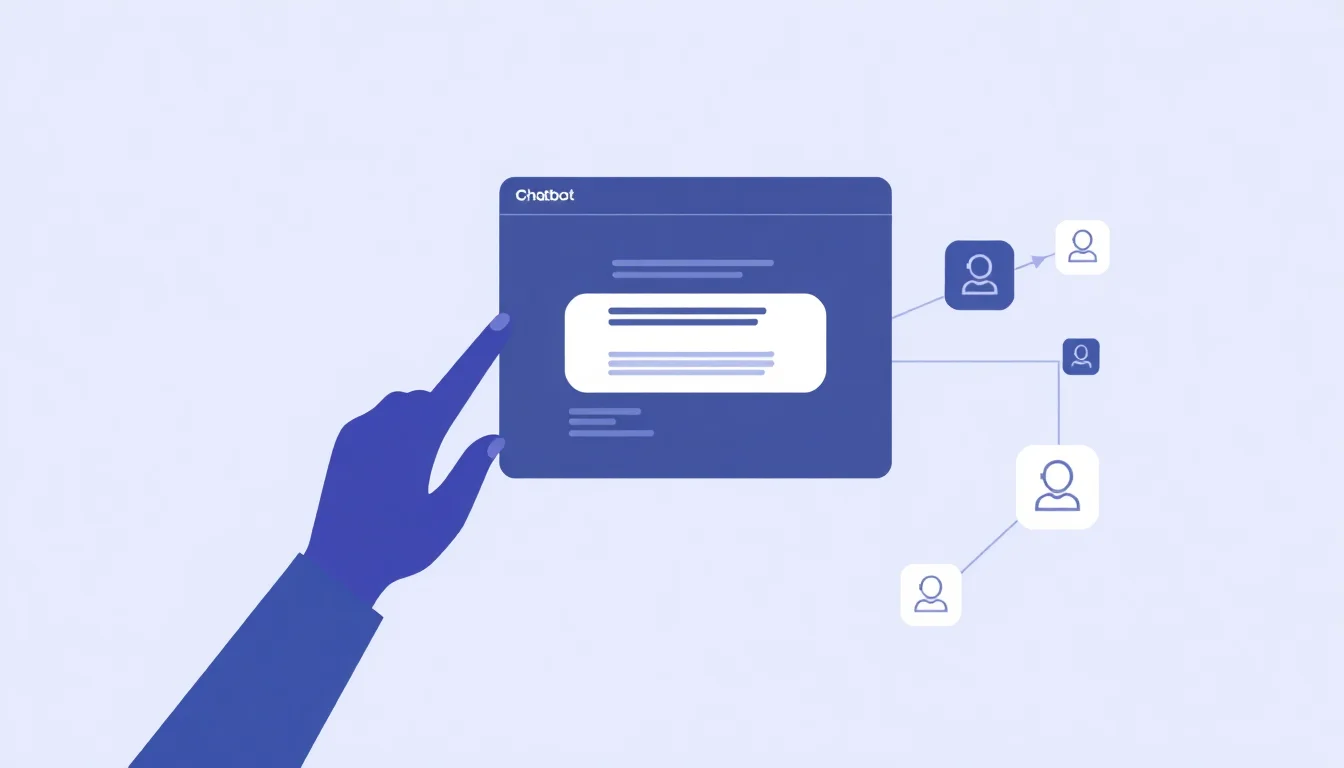
How to Set Up a Zapier AI Chatbot for Customer Support in Under an Hour
A Zapier AI chatbot can handle common customer support questions 24/7 without adding headcount. This step-by-step guide walks solo founders and small ops teams through the complete setup process—from connecting your first app to testing your first automated response—in under 60 minutes.
16 min read
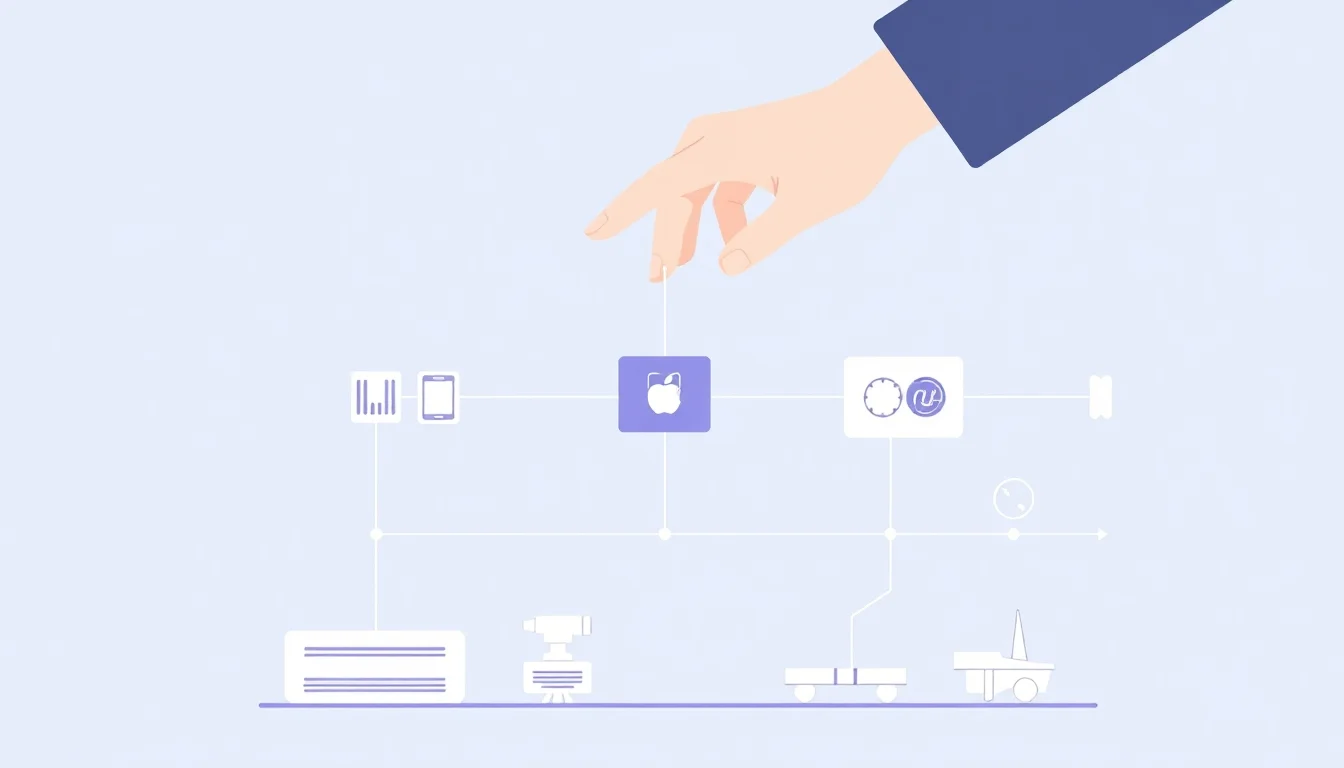
The Lean Ops Stack: 7 Tools That Work Seamlessly With Zapier to Run a $1M Business With No Operations Hire
Running a $1M business without an operations hire isn't a fantasy—it's an architecture decision. This post breaks down 7 tools that connect natively with Zapier to automate lead routing, invoicing, customer support, and more, so your business runs itself while you focus on growth.
15 min read
Zapier vs Make vs Power Automate in 2026: Which No-Code Automation Platform Is Right for a 1–10 Person Team?
Choosing the wrong automation platform costs small teams real time and money. This hands-on comparison breaks down Zapier, Make, and Microsoft Power Automate across pricing, ease of use, AI capabilities, and reliability—so a 1–10 person team can make a confident, informed decision in 2026.
16 min read